
 – INFORMATION
Brazil
Brazil is located in the central and eastern part of South America, covering an area of 8,515,767 km², making it the fifth-largest country in the world and the largest in Latin America. Brazil’s population, according to 2023 estimates, is 214 million, making it the most populous country in South America and the sixth largest globally. The capital, Brasília, has a population of 3 million, while São Paulo, the largest city, has over 12 million inhabitants, and the São Paulo metropolitan area includes 22 million people.
Economic Situation
In 2023, Brazil’s GDP is estimated at $2,050 billion, with a growth of 3.5% compared to the previous year. The GDP per capita is $9,600. Exports (FOB) reached $287 billion, while imports (CIF) totaled $237 billion, generating a trade surplus of $50 billion. The inflation rate in Brazil stood at 6.5% in 2023, with interest rates remaining high. The unemployment rate was around 8%, and youth unemployment (ages 15-24) was 21%. The government’s public debt is estimated at 80% of GDP.
Forecasts
Brazil’s economy is forecast to grow at 2.5% in 2024, with a moderate recovery in domestic consumption and external demand for key commodities. The government is likely to pursue pro-business policies to attract investment, but challenges remain in reducing inequality and addressing fiscal concerns. Inflation is expected to decrease to around 5% by 2024.
Country Risk
Brazil is a country with medium-high risk due to internal political instability, fiscal challenges, and economic inequalities. Nevertheless, Brazil remains a key player in the region due to its size and role in global trade.
Foreign Direct Investments
FDI in Brazil has been strong in sectors like energy, finance, and technology. China is a major investor in Brazil, particularly in infrastructure and mining, while the United States has invested significantly in the technology and service sectors. However, the current political situation and social unrest may pose risks to continued investment growth.
Geopolitical Analysis
Influence in Latin America
Brazil has been the dominant political and economic force in Latin America for decades. It has sought to strengthen regional ties through initiatives like MERCOSUR (Southern Common Market) and CELAC (Community of Latin American and Caribbean States). Brazil’s leadership in regional organizations like the BRICS (Brazil, Russia, India, China, South Africa) group enhances its global influence.
Domestic Political Challenges
Brazil’s internal politics is marked by significant division, which impacts governance. Political polarization has deepened, particularly following the impeachment of former president Dilma Rousseff in 2016 and the election of Jair Bolsonaro in 2018. This political environment poses challenges for the stability and long-term economic growth of Brazil.
International Relations and Global Influence
Brazil maintains close ties with the U.S. in areas such as trade, security, and technology. However, it has also sought to strengthen relations with China, which is now Brazil’s main trading partner. The diversification of Brazil’s international relations helps mitigate risks, though balancing its relations with major global powers is a delicate task.
Social Challenges and Environmental Concerns
Brazil faces significant social challenges, including poverty, inequality, and violence. Environmental concerns, particularly regarding deforestation in the Amazon rainforest, are increasingly impacting Brazil’s global reputation. The government’s policies on environmental protection and indigenous rights have been contentious both domestically and internationally.
– OUR AMBASSADORS
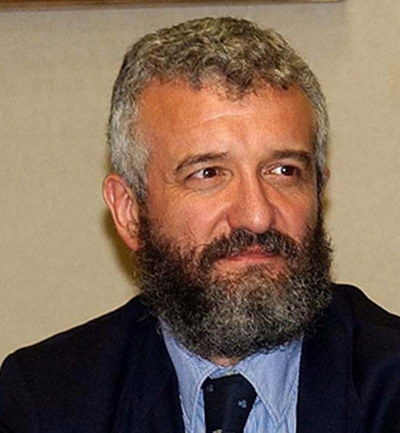
Donato Di Santo
Former Undersecretary of Foreign Affairs, Expert on Latin America
– LET’S STAY TOUCH
Contact us
Contact us using the form on this page.
We will be happy to provide you with all the information you need.